
Motown 25 special. Michael Jackson’s "Billie Jean" performance: a switch for pop culture.
This breakthrough wasn’t just about breaking into MTV—it was about rewriting who gets to define pop culture.

"By the spring of 1983, it was clear the [Thriller] album was going to go crazy. On May 16, 1983, I performed "Billie Jean" on a network telecast in honor of Motown's 25th Anniversary. Almost 50 million people saw that show. After that many things changed." - Michael Jackson
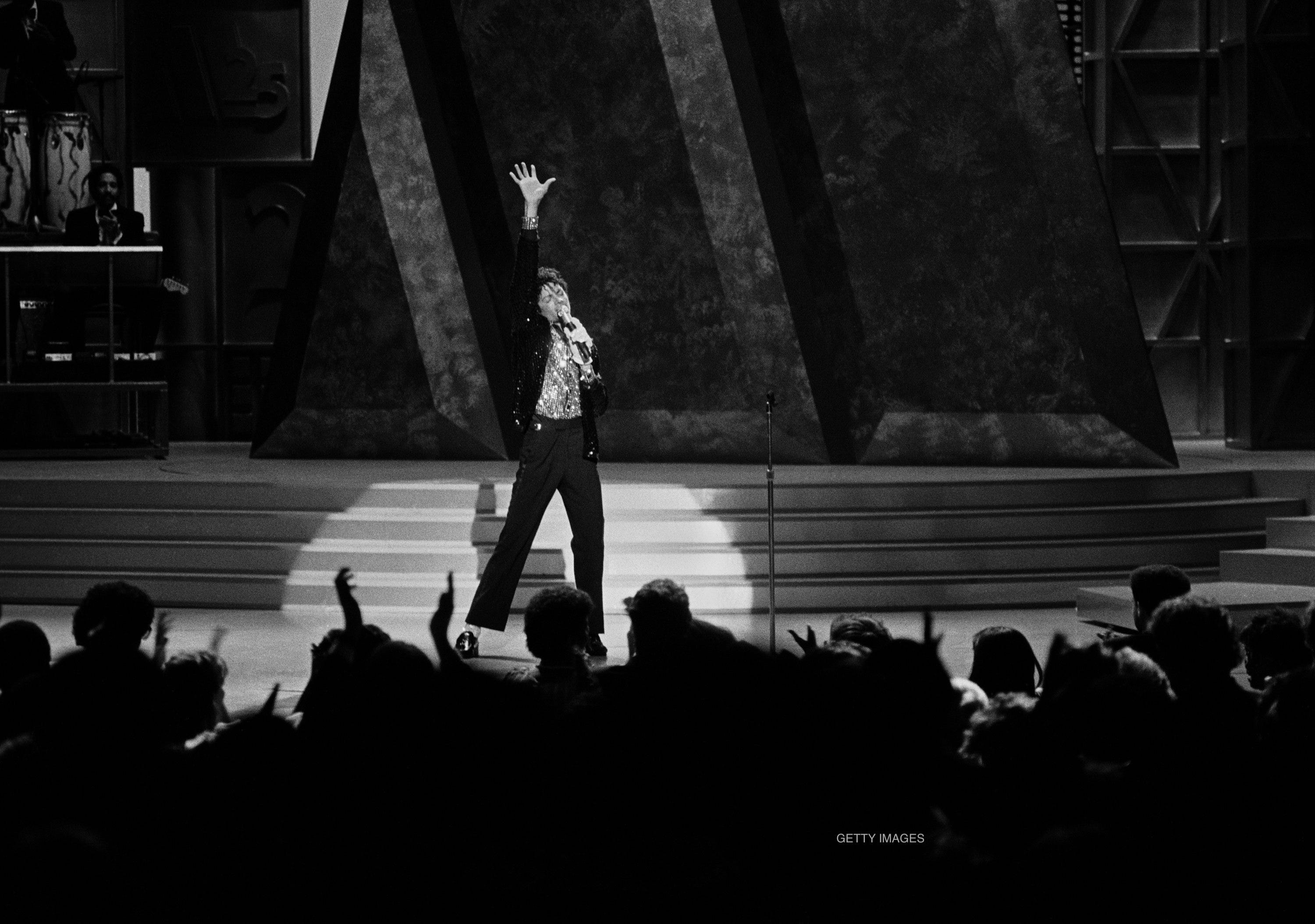
Michael Jackson’s “Billie Jean” performance on the Motown 25 special wasn’t just a highlight—it was a switch flipped in real time. With the moonwalk, the glove, and that magnetic stage presence, Jackson didn’t just perform a song—he redefined pop culture.
“This ‘80s moment encapsulates a rare convergence of talent, timing, and technology. The 50 million viewers weren’t just watching a song—they witnessed the birth of a phenomenon. This wasn’t just a TV moment; it was a public demonstration of Black excellence on a massive, mainstream stage. Michael’s intuition about Thriller’s potential was spot-on, and the Motown 25 performance acted as a catalyst, for a cultural revolution. (…) Michael Jackson's intuition about Thriller's potential was indeed a masterstroke, and the Motown 25 performance on May 16, 1983, served as that critical catalyst—igniting not just a sales explosion but a full-blown cultural revolution. It’s wild to think how that single moment, with the moonwalk’s debut and those 49.2 million viewers, flipped a switch for pop culture.”
(Silvia S. Castello, My American Summer)
Let's dive into that fascinating quote from Michael Jackson about his iconic "Billie Jean" performance on May 16, 1983, during the Motown 25: Yesterday, Today, Forever television special.
By spring 1983, Thriller—released on November 30, 1982—was already gaining momentum. The album’s first single, "The Girl Is Mine" (with Paul McCartney), had peaked at #2 on the Billboard Hot 100, but it was "Billie Jean," released as a single on January 2, 1983, that began to signal a seismic shift. By March 1983, "Billie Jean" had hit #1 on the Billboard Hot 100 and the Billboard Hot Black Singles chart, showcasing its crossover appeal. Michael’s assertion that "it was clear the [Thriller] album was going to go crazy" reflects the growing buzz, driven by the song’s innovative music video (premiered in March 1983 on MTV) and its groundbreaking role as one of the first videos by a Black artist to receive heavy rotation, challenging racial barriers in music television.
The Motown 25 special, taped on March 25, 1983, and broadcast on NBC on May 16, 1983, was a celebration of Motown’s 25th anniversary. Michael’s solo performance of "Billie Jean" was a departure from the Jackson 5 reunion, which he initially hesitated to join, per Suzanne de Passe’s recollections. His demand for a solo slot, granted by Berry Gordy, allowed him to unveil a meticulously choreographed routine. The black sequin jacket, single glove, and fedora—elements that became his signature—combined with the live debut of the moonwalk, captivated an estimated 49.2 million viewers (Nielsen ratings from the era). This wasn’t just a performance; it was a global event that redefined pop stardom.
During the Motown 25 special, Jackson’s solo "Billie Jean" performance stood out against the backdrop of a predominantly Motown tribute. His moonwalk, the sequined glove, and that electrifying energy weren’t just artistic flourishes—they challenged the racial gatekeeping of the time. As detailed in the Cultural Impact of Michael Jackson, media studies academic Jaap Kooijman argues that this performance re-created the "Billie Jean" video’s imagery live, merging music and visuals in a way that demanded attention from a diverse audience. The 49.2 million viewers—far exceeding the typical demographic for a Motown special—included a broad cross-section of America, exposing millions to a Black artist’s unapologetic dominance.
This moment pressured MTV and the industry to diversify. Post-performance, MTV aired more videos by Black artists like Prince and Lionel Richie, and by 1984, the network’s programming began reflecting a more inclusive soundscape. A 2024 study from the Journal of Race and Media cites this as a catalyst for the 1980s R&B crossover boom, with artists like Whitney Houston and Janet Jackson riding the wave Jackson initiated.
Cultural Symbolism: His 1984 White House visit with President Reagan, awarding him a special citation, symbolized acceptance at the highest levels. This paved the way for future Black icons like Beyoncé and Kendrick Lamar to command global stages.
“This breakthrough wasn’t just about breaking into MTV—it was about rewriting who gets to define pop culture. The 49.2 million viewers didn’t just watch; they witnessed a barrier crumble, and the aftershocks are still felt in today’s multicultural music scene. It’s a reminder of how art can challenge systems, a lesson as relevant now as it was in 1983. (…) This ‘80s terrific moment represents a rare convergence of talent, timing, and technology. Those 50 million viewers weren’t just watching a performance—they were witnessing the birth of a phenomenon. It wasn’t merely a TV event; it was a landmark display of Black excellence on a massive, mainstream stage. Michael Jackson’s intuition about Thriller's potential was visionary, and the Motown 25 performance became the catalyst—not just for a record-breaking album, but for a cultural revolution. It’s almost surreal to consider how that single moment—on May 16, 1983—flipped a switch in pop culture. The debut of the moonwalk, the glove, the precision, the magic… all broadcast to 49.2 million people. It wasn’t just history being made. It was history changing direction.”
(Silvia S. Castello, My American Summer)
Silvia S. Castello is an interdisciplinary artist, cultural critic, and journalist whose work explores the intersections of art, politics, and contemporary culture. With formal training in painting from Milan’s Accademia di Belle Arti di Brera and the École des Beaux-Arts in Paris, Silvia’s practice blends visual artistry with analytical depth, investigating how cultural narratives evolve between Europe and America.
Recognized for her dual expertise in visual art and journalism, Silvia has built a career that bridges creative expression and political insight. Her experience as a UK Royal Reporter and diplomatic correspondent at the Holy See informs a body of work that reflects on power, representation, and the cultural dimensions of diplomacy.
From 2014 to 2022, Silvia S. Castello served as founder and editor of The Global Times — World Affairs & Ideas, a publication acclaimed for its distinctive approach to world affairs through the lens of art, culture, and critical thought. Under her leadership, the magazine became a platform for transatlantic dialogue and nuanced reflection on global cultural politics.